
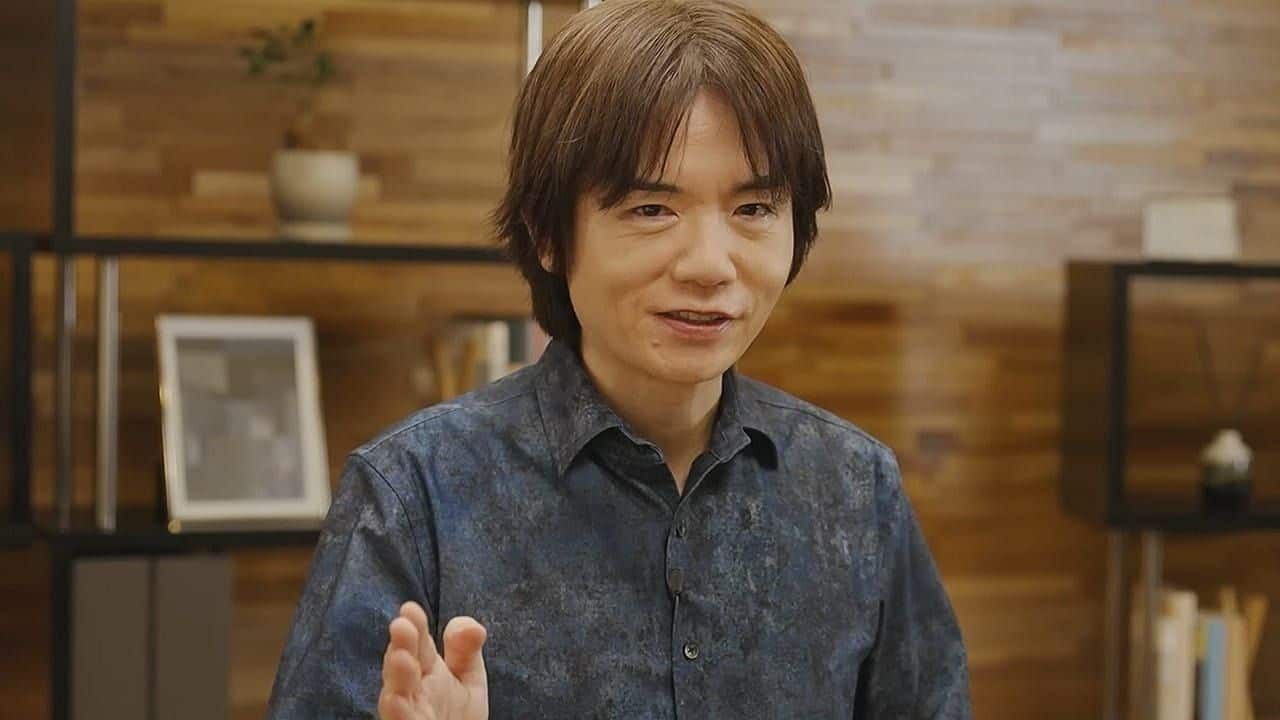
Masahiro Sakurai believes that AI can imitate games like ICO or Shadow of the Colossus , but not create what Fumito Ueda will imagine next. The creator of Super Smash Bros. used this example in an interview to explain his concern about the originality of video games: reproducing an existing formula is not the same as creating a new experience.
Sakurai fears that AI will multiply games derived from others and defends human creativity as the origin of experiences with their own identity.
The contrast between the imitations and Ueda's next idea
To explain his point, Sakurai mentions Librarian , a game whose premise involves arranging books in a magical world. He notes that numerous imitators emerged from its simple mechanics and cites titles such as Supermarket Chaos and Needle in the Haystack Simulator.
His argument is that this type of idea replication is precisely a task at which AI excels. This doesn't mean he's claiming the games in question were made with AI; he's using them to illustrate how existing approaches can be replicated.
With Ueda, he establishes a contrast. In his view, a tool can take his previous works as a reference and try to build something similar, but that doesn't allow him to anticipate the designer's next proposal. For Sakurai, the human contribution remains the key to a unique atmosphere and experience.
More games doesn't necessarily mean more variety.
His concern also relates to the volume of releases. Sakurai points to the growth of Steam's catalog and believes that the use of AI to create games could further increase that number, making it even more difficult to categorize. Furthermore, he fears that a large portion of these games will be unplayable.
This is a different view from Tim Sweeney's, who believes that AI will make games that are currently too expensive possible . Both approaches focus on different issues: facilitating production and ensuring that the final product has something unique to offer.
The difference lies in the following idea
Sakurai's reflection doesn't accompany the announcement of a game. His defense of creativity focuses on a specific distinction: being able to reproduce what an author has already done doesn't mean being able to replace what they still have to invent.
Find more news and updated content in our news section or subscribe to Guslok – 100% Guides on YouTube for more 100% video game guide content.
About the Author
